
Courage, Safety & Slowing Down: Rethinking Confidence
January had a theme.
Not the forced “new year, new you” kind. Not the polished Instagram affirmation kind.
But something deeper. Something that kept surfacing in conversations, in content, in reflection:
Confidence.
Confidence is an interesting word for me. Years ago, someone in a formal support and coaching role told me I “lacked confidence.” This was someone I was encouraged to trust. Someone positioned as part of my development. And yet, rather than strengthening my belief in myself, the experience quietly eroded it.
The irony?
Being told you lack confidence — especially by someone tasked with nurturing it — can be one of the fastest ways to undermine it.
It took me time to untangle that. And perhaps that’s why the messages that surfaced this January? Landed so strongly.
Susie Ma shared a sentiment that stopped me in my tracks at the #TropicTakeover:
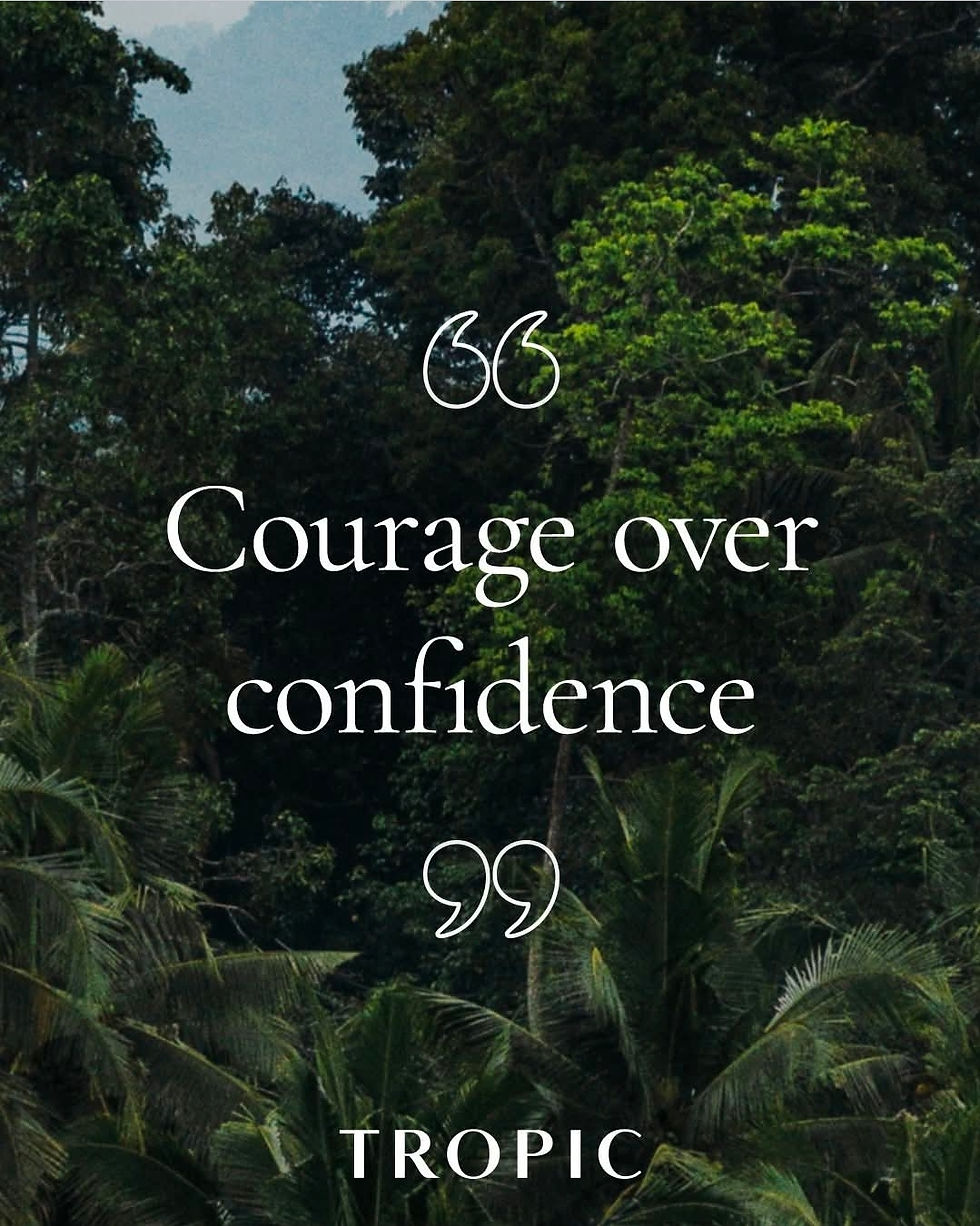
It echoes that familiar truth: if you wait until you feel ready, you’ll never begin.
Confidence is often treated as a prerequisite. Courage, on the other hand, simply asks you to move. Confidence says: Prove you can. Courage says: Try anyway.
When I reflect on the moments that have shaped me most, they weren’t born from confidence. They were born from discomfort. From stepping forward before I felt polished. From choosing movement over perfection.
Maybe confidence isn’t the starting point. Maybe it’s the byproduct?
Safety Before Confidence
Then I heard something from Dr Joanna Martin that reframed the conversation entirely:
“To feel confident, you need to feel safe.”
That hit differently. Because what if confidence isn’t about boldness at all? What if it’s about nervous system regulation? Psychological safety. Emotional security. Knowing you won’t be shamed, dismissed, or quietly undermined.
If someone’s voice causes you to shrink, hesitate, or doubt yourself — that’s not a confidence issue. That’s a safety issue.
And safety is relational.
Confidence cannot grow in environments where trust is fractured. Looking back, perhaps what I lacked wasn’t confidence. Perhaps I lacked safety.
Clarity Through Slowing Down
The third idea that surfaced in January asked an even gentler question:
What if we gain clarity and confidence by slowing down?
We often try to force confidence by doing more. Speaking louder. Pushing harder. Performing certainty. But slowing down creates space to listen.
To check: Is this doubt mine? Or was it handed to me?
Is this hesitation intuition? Or internalised criticism?
Clarity builds grounded confidence — not the loud, performative kind, but the steady, anchored kind. The kind that doesn’t need to prove.
So What Is Confidence, Really?
If I weave these three perspectives together, here’s what I’m left with:
Confidence is not the starting line — courage is.
Confidence doesn’t grow without safety.
Confidence strengthens when we slow down enough to hear ourselves clearly.
And perhaps most importantly:
Confidence can be damaged by those who misuse influence. But it can also be rebuilt — deliberately, compassionately, and on your own terms.
Perhaps confidence isn’t about never doubting or questioning yourself. Perhaps it’s about moving forward anyway, trusting your own sense of safety, and taking the time to slow down and reflect. That’s the kind of confidence we can all practice — every day; quietly, and deliberately.


Comments